Abiali: A Delicate Script Handwritten Font for Timeless Editorial Design
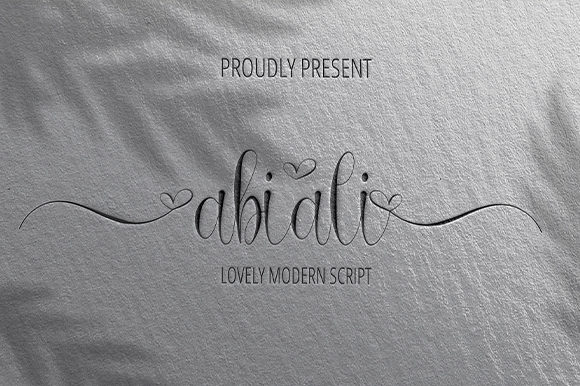
It started with a quiet afternoon and a half-finished recipe ebook cover. I’d been testing dozens of Fonts—some bold, some minimalist, some overly ornate—but none carried the warmth I wanted for a collection of slow-cooked stories and seasonal meals. Then I opened Abiali. Instantly, something softened: the rhythm of the letters, the gentle tilt of the ascenders, the way each curve seemed to breathe. Abiali is an incredibly distinct, delicate and timeless handwritten font—and in that moment, it wasn’t just a typeface I was previewing. It was the voice I’d been searching for.
Abiali for Wedding Invitations and Elegant Branding
Abiali shines where intention meets intimacy. As a Script Handwritten font, it doesn’t shout—it leans in. I used it for a small-batch wedding guide PDF: not for body text, but for chapter openers, monogrammed headers, and hand-lettered pull quotes like “The best love stories begin quietly.” Its fine hairlines and subtle contrast give it grace without fragility; it holds up beautifully at 24pt on a printed invitation and retains its charm even scaled down to 16pt for RSVP cards. Because Abiali is designed with editorial sensitivity—not just decorative flair—it supports hierarchy without sacrificing personality. When paired with a warm serif font like Adobe Garamond or a soft sans like Lora for body copy, it creates a balance that feels both curated and human.
Abiali for Greeting Cards and Thoughtful Printables
For printable planners and gratitude journals, Abiali adds tactile elegance without overwhelming the page. I tested it in a weekly reflection worksheet—using it only for section titles (“What Felt Light This Week?”) and short affirmations (“You are enough, exactly as you are”). Its delicate nature means it works best when given space: generous line height, ample margins, and minimal competing elements. On screen, it renders cleanly in PDF exports and web previews (tested across Chrome, Safari, and iOS Preview), and in print, it pairs especially well with uncoated paper stocks that echo its organic texture. As a Fonts choice for digital product creators, Abiali’s light weight and graceful spacing make it ideal for high-resolution printables sold on creative marketplaces—just remember to verify commercial licensing before bundling it into editable Canva templates or Notion workbooks.
Abiali for Quotes and Social Media Graphics
There’s a reason Abiali looks stunning on quotes—and it’s not just aesthetics. Its Script Handwritten flow guides the eye naturally from left to right, mimicking the cadence of spoken thought. I embedded it in a series of Instagram carousel graphics for a mindfulness newsletter: one quote per slide, set over muted linen textures. At 36–48pt, Abiali’s subtle ligatures (like the elegant connection between ‘f’ and ‘i’) added quiet sophistication without distracting from the message. For accessibility, I kept contrast high and avoided using it for captions or alt-text descriptions—reserving it strictly for headline moments where tone and resonance matter most. It’s not a workhorse font for long captions, but as a display font for emotional emphasis? Unmatched.
Abiali for Business Cards and Logo Design
Abiali brings quiet confidence to branding—especially for coaches, florists, ceramicists, and other creatives whose work lives in nuance. I used it for a client’s business card redesign: her name in Abiali, set small but legible at 10pt, above a clean sans serif tagline. The contrast worked because Abiali’s letterforms retain clarity even at modest sizes—its x-height is generous, its terminals open and unhurried. That said, Abiali is not a full-featured logo font out of the box: check whether the package includes alternate glyphs, stylistic sets, or caps-only versions before committing to monogram lockups or embroidered embroidery files. As a Fonts asset, its strength lies in expressive restraint—not versatility across every application.
Abiali for Thank You Cards and Personalized Email Headers
In email design, tone is everything—and Abiali helps shape it before the first word is read. I swapped my standard newsletter header font for Abiali in a recent subscriber thank-you sequence. Just the subject line “Thank you for being here” in Abiali, centered over a soft watercolor wash, changed the entire feel of the message. Readers didn’t comment on the font—but they did reply with more warmth, more detail, more presence. That’s the quiet power of a thoughtful Script Handwritten choice. For email clients, I embedded it as a web-safe fallback image for critical headers (with CSS font stack backups), ensuring consistency without risking rendering glitches. Always test file formats: OTF works best for desktop design apps; WOFF2 is ideal if self-hosting for web use.
Abiali for Logos and Greeting Card Layouts
What makes Abiali different from other handwritten fonts isn’t just its beauty—it’s its editorial intelligence. Its baseline is steady, its slant consistent, its spacing intuitive. That means it performs reliably across mediums: laser-cut wood signs, foil-stamped stationery, embroidered patches, and SVG-based web logos all honor its integrity. In greeting card layouts, I use it for front-cover titles and interior sentiments, always pairing it with a highly legible serif or geometric sans for addresses, dates, and small-print details. And because Abiali is an incredibly distinct, delicate and timeless handwritten font, it avoids trend fatigue—no need to refresh your brand identity every season.
Before You Use Abiali in Paid Digital Products
Always review the included font files: check for OpenType features like discretionary ligatures, swashes, or multilingual character support (especially if designing for global audiences). Confirm licensing covers your use case—ebook embedding, SaaS platform integration, template resale, or client deliverables. Most reputable vendors offer clear commercial terms, but never assume. Abiali deserves thoughtful stewardship—not just aesthetic adoption.